| |
JRS Romania -
www.jrsromania.org
|
Political Developments
Two developments had an impact on the
political situation in Romania in 2007: the new status
of Romania (on 01 January 2007 Romania joined the
European Union) and the responsibility taken by the
Romanian government to harmonise asylum and migration
policy.
Romania continues to be a transit country for refugees
and asylum seekers en route to Western Europe.
Increasingly, however, Romania is becoming more popular
as a destination country. In addition, the system needs
to be prepared, in the short-term, to receive
considerable numbers of asylum seekers returning from
European Union Member States, based on readmission
agreements.
With more than 2,000 km of frontier, including the Black
Sea and the Danube River, Romania is automatically
responsible for securing a vast external EU border. This
new European Union border could generate a large
increase in the number of migrants to Romania. For this
reason, the branch office of The United Nations’ High
Commissioner for Refugees in Romania analysed Romania’s
capacity to temporarily accommodate an increased number
of migrants.
Over the past few years, Romania’s protection policy for
forced migrants has become more and more stringent. In
2007, there were 742 applicants for refugee status,
including those who were applying for the second time.
161 persons received some form of protection.
While the State authorities have improved programmes and
services offered to refugees and asylum seekers in
Romania, these improvements still fall short of the
needs of people seeking protection in this country. The
main concern of NGOs is the requirement for them to
provide basic services in addition to the support
offered by the State. |
 |
JRS Activities
Social Assistance
The assistance for refugees and asylum seekers, provided by
the Romanian Government, is currently insufficient. Once the
period of state-provided custody or accommodation ends, many
people have no place to live. JRS is the only NGO currently
providing social accommodation for refugees and other migrants.
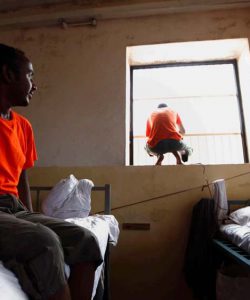
In 2007, JRS Romania focused on providing basic accommodation to
support individual self-sufficiency. Migrants were helped to
take responsibility for their future rather than becoming
dependent on JRS services. In the social dormitory JRS Romania
was able to offer temporary accommodation for a maximum period
of six months to 16 men. 57 people used this as shelter in 2007.
The social apartments, part of the same project, housed 22
persons (families and single women) in total in 2007.
JRS Romania assisted refugees and migrants to comply with
administrative requirements set down by the state. They also
helped them to source appropriate employment. JRS staff were
involved in signposting refugees and asylum seekers to state
authorities and other NGO’s who provided services where JRS was
not specialised, for example legal, psychological and medical
assistance.
A medical doctor and nurse supported JRS’ work as volunteers,
attending to people living in the accommodation centres.
Many of the people living in the accommodation and detention
centres have psychosocial and behavioural problems. JRS social
workers provided them with assistance and counselling.
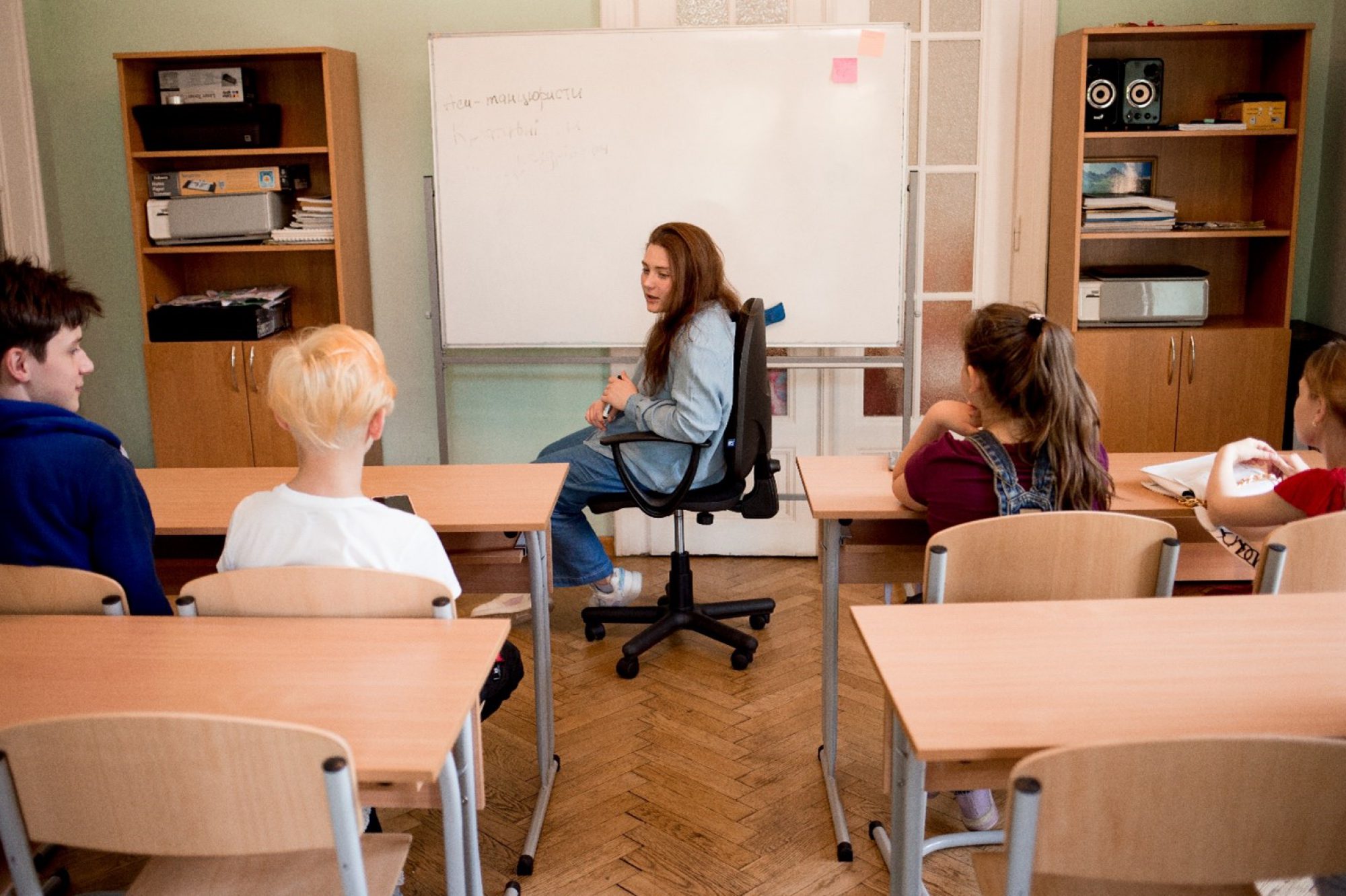
Integration and Education
JRS Romania
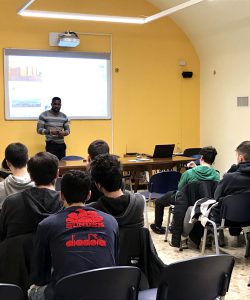
continued to encourage migrants to participate in Romanian and
English language classes and cultural activities. The aim of
these courses was to help integrate them into Romanian society
and facilitate contact with others. JRS Romania continued to
offer computer courses as a means of communication with family
and friends for many refugees and asylum seekers. Important
cultural and religious events were celebrated in the Pedro
Arrupe Centre. These celebrations, including the Muslim feast of
Eid, Christmas, New Year’s Eve and Easter, gathered together
people of different religions and cultures.
Recreational and sporting activities continued to be provided by
JRS Romania in 2007. These included trips for children to visit
the local museum and the circus, football matches and table
tennis tournaments.
A number of legal, social and cultural training sessions were
organised for JRS volunteers.
Contact Details
Fr Luc Duquenne SJ, Country Director
Pedro Arrupe Centre
Mr Ilie Opris 54, sector 4 - 041378 Bucharest
Tel: +40 21 332 2457 - Tel/Fax: +40 21 332 5361
romania(a)jrs.net
To send an email, just replace the (a) with @.
|