| |
JRS West Balkans
|
JRS Western Balkans, formally JRS
Bosnia-Croatia, started in 1993 following the war in the
Balkans. Activities and projects mainly focused on
refugees, internally displaced persons and returnees in
the countries that made up the former Yugoslav republic.
JRS has offices in Bosnia and Herzegovina, Croatia, the
former Yugoslav Republic of Macedonia, and Kosovo.
Political Developments
In
the wake of the violent conflicts that marked recent
Western Balkans’ history, the European Union (EU)
considers it a priority to promote the development of
peace, stability and prosperity in the region. To date,
Croatia, the former Yugoslav Republic of Macedonia and
Albania have signed Stabilisation and Association
Agreements (SAA) with the EU. In the long run, these
agreements offer the prospect of full integration in the
EU, provided that certain political and economic
conditions are met. Serbia, Montenegro and Bosnia and
Herzegovina have launched talks with the EU.
Twelve years after the war in the Balkans and eight
years after the armed conflict in Kosovo, more than half
a million people – 120,000 refugees and 383,000
internally displaced persons – remain in the region. |

|
Bosnia and Herzegovina
Substantial
progress has been made in allowing refugees and displaced people
to return home. Statistics from the UN refugee agency, UNHCR,
indicate that by February 2006, 1,012,320 refugees and
internally displaced persons had returned to their pre-war
places of origin. 10,000 refugees and 135,000 internally
displaced persons remain in Bosnia and Herzegovina. Incidents of
return-related violence are rare, but still occur. Returnees
continue to face a lack of educational facilities, unresolved
property issues and poor economic prospects. The failure to
bring justice to all war criminals has also reduced confidence
in the return process.
Croatia
Between
300,000 and 350,000 ethnic Serbs left their homes in Croatia
during the war. 2,500 refugees and 4,000 internally displaced
persons currently live in Croatia. Progress has been made in
repossessing occupied properties, building new houses for
settlers and reconstructing housing destroyed during the
fighting. The government has started providing social housing
for Croatian Serbs who lost tenancy rights during the conflict.
Kosovo
A new round
of negotiations to solve the political uncertainty surrounding
Kosovar independence ended without agreement at the end of 2007.
Eight years after the end of the armed conflict, 225,000
internally displaced persons remain. The total number of
non-Albanian returnees to Kosovo remains low as only
approximately 14,000 returns have been recorded since 1999.
The former Yugoslav Republic of Macedonia
Stability in Macedonia was seriously affected by the crisis in
Kosovo in 1999. The majority of the 2,000 refugees in Macedonia
are from Kosovo.
JRS Activities
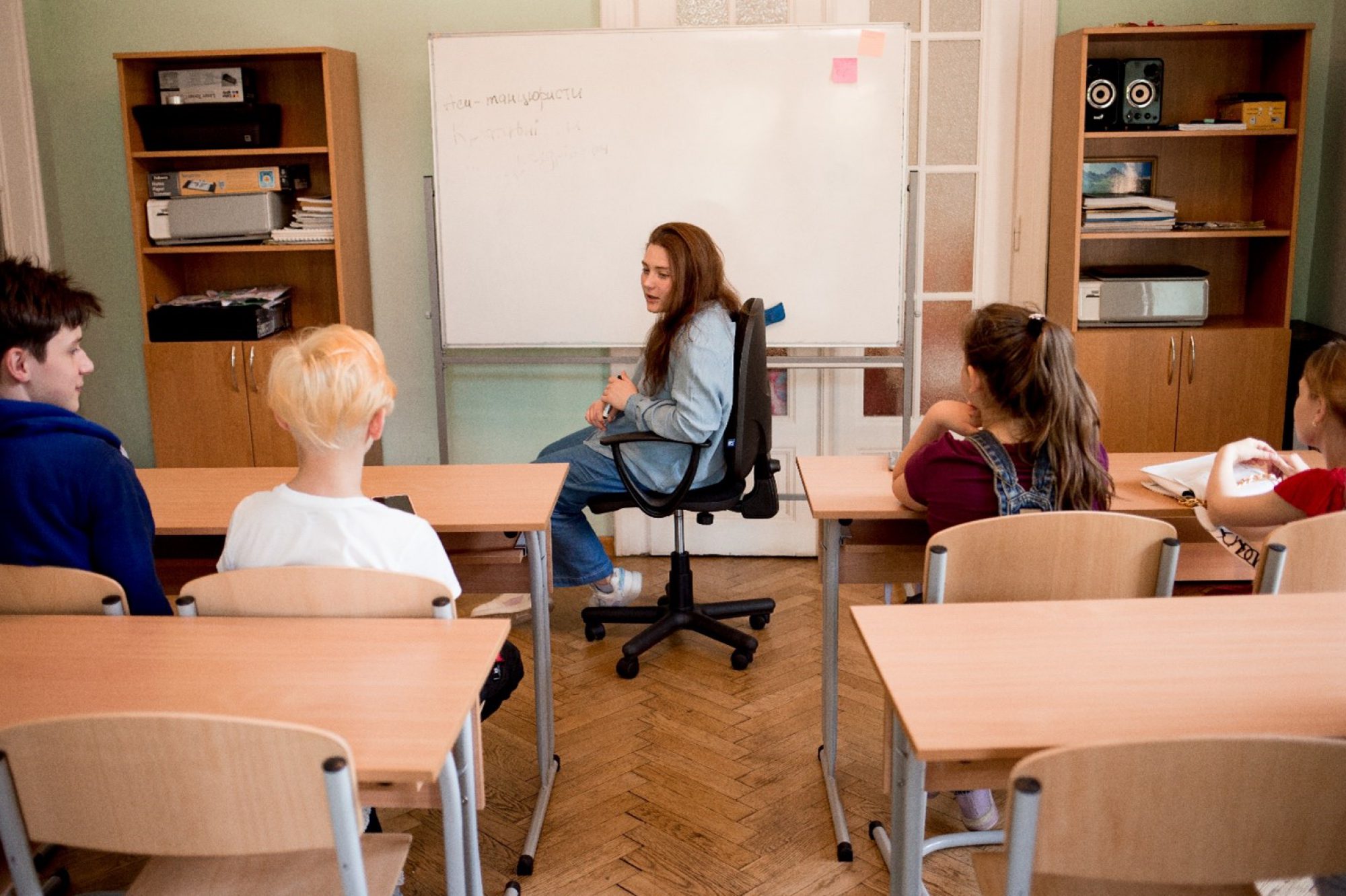
Croatia: Reconstruction through
alternative education
JRS, in collaboration with a
Serbian Orthodox NGO and the Serbian Orthodox Monastery Krka,
runs a peace building and reconciliation project in the Croatian
town of Knin. In 2007, a kindergarten helped 45 Bosnian, Serb
and Croat children and their parents learn to live together in a
tolerant and peaceful atmosphere.
Kosovo: Landmine survivors
support
For the
past 7 years, JRS has offered direct medical assistance, travel
and psychosocial support to young victims of land mines and
their families. Limb prostheses, eye surgery, medial follow up
care and education were available for 66 children in 2007. A
summer camp was organised for 29 young landmine survivors in
Ohrid, Macedonia.
Reintegration
In
partnership with Caritas Luxembourg, JRS Kosovo assisted 12
families – including 53 children – who were forcibly returned
from Luxembourg between 2005 and 2007. JRS Kosovo offered
language courses for the children and social support to the
families to help them integrate into Kosovar society.
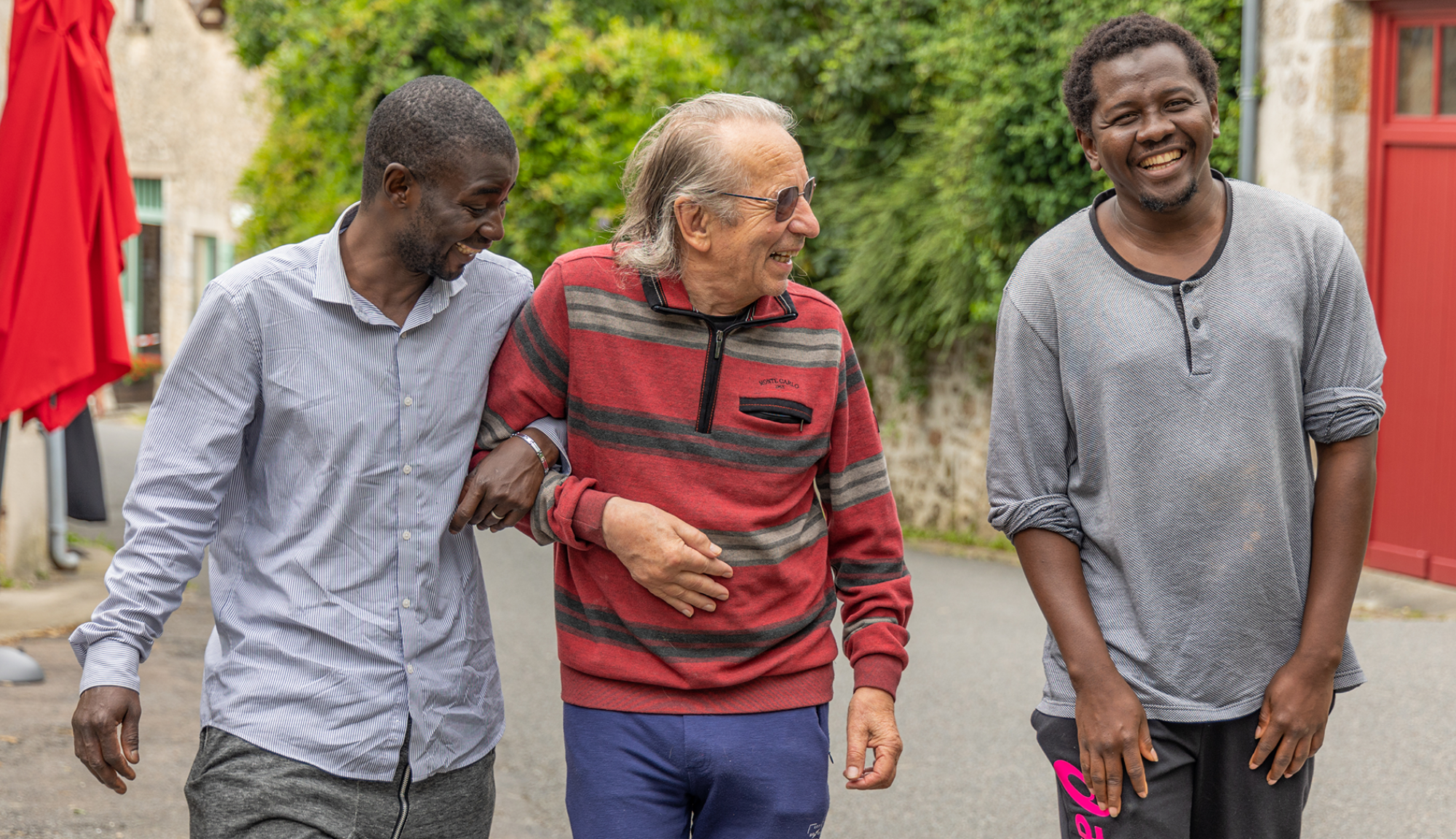
Bosnia and Herzegovina: Elderly homecare
Since 1996,
JRS has provided medical and psychosocial support to vulnerable
returnees, displaced elderly persons, or those who remained
alone in Sarajevo. Help is provided at least twice a week in the
form of food distribution, facilitating visits to the doctor and
paying utility bills. A total of 30 individuals were assisted
during 2007.
Other activities in the area
A number of
projects initially started by JRS are now implemented by other
social bodies, with support from JRS staff. These projects
include: the elderly homecare system in Croatia, material
support for vulnerable families in Bosnia and Macedonia, and
language and computer courses in Macedonia.
Contact Details
Mr Josip Divkovic
Jordanovac 110
10000 Zagreb pp 169, Croatia
Tel / Fax: +385 1 23 46 129
josip.divkovic(a)jrs.net
To send an email, just replace the (a)
with @.
|